Food allergy
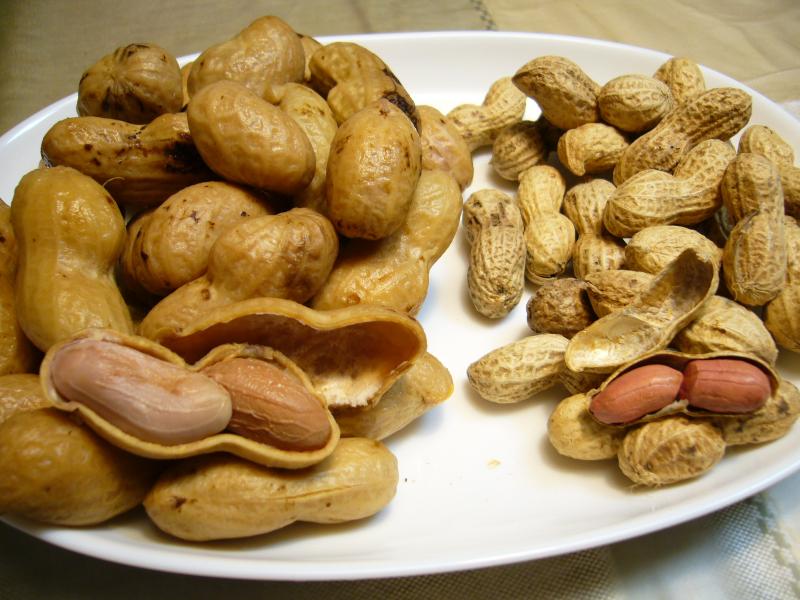


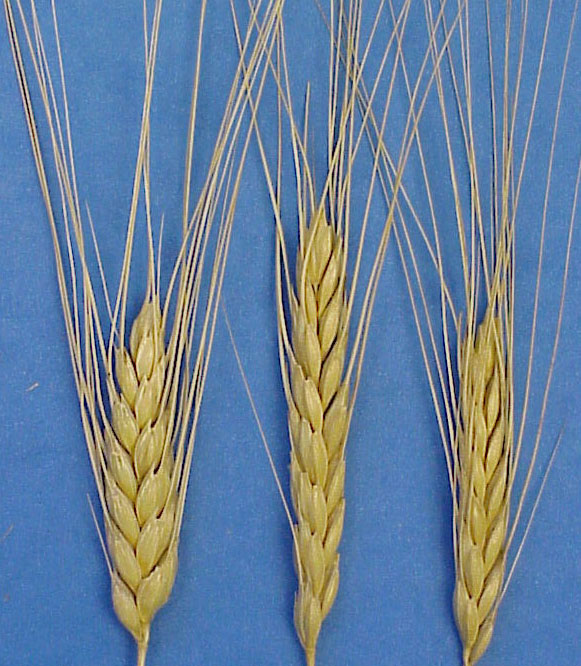
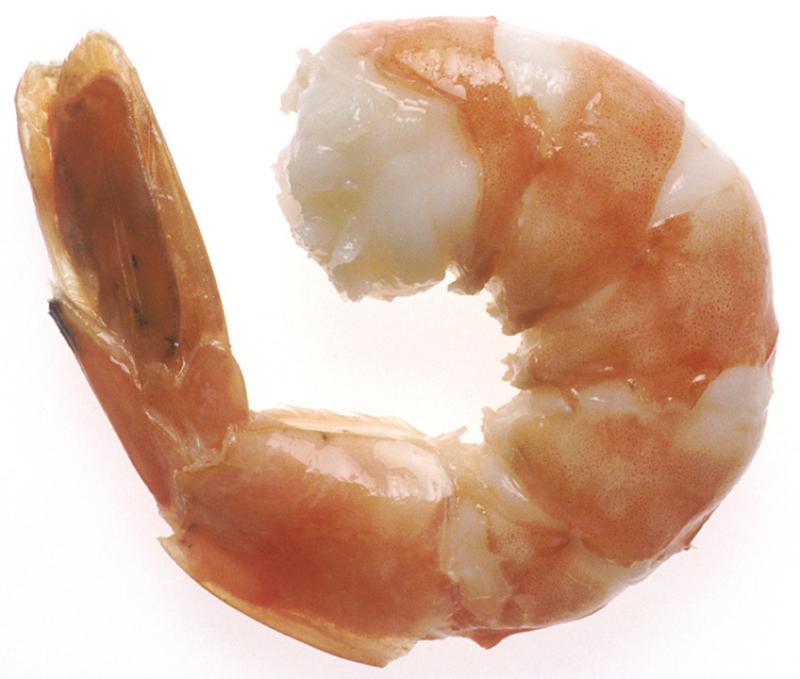



Allergic reactions to food occur in children and adults and are an increasing problem in the United States. Reactions can be severe. Unfortunately, about 150 people die every year in the US from food-induced anaphylaxis. Symptoms usually occur immediately after eating the food, but they can be delayed up to a few hours in some cases.
Symptoms of an allergic reaction include:
- Itching and swelling of the mouth and throat
- Skin reactions including hives, rash, and itching
- Nasal congestion, runny nose, and sneezing
- Nausea, vomiting, and diarrhea
- Chest tightness, wheezing, and shortness of breath
- A drop in blood pressure, which can cause loss of consciousness
It is important to identify food allergy correctly so that the food can be avoided. People with food allergy need to be informed and prepared to treat a severe reaction if one happens. Allergists/immunologists are trained to diagnose food allergy, identify the cause of a reaction, and advise on avoidance and on treatment if an accidental exposure occurs. Anyone who has had a severe allergic reaction to food needs emergency care at the time, and follow-up with an allergist/immunologist afterward.
Oral allergy syndrome (pollen–food allergy)
Oral allergy syndrome (OAS) is a food allergy. It happens by pollen–food cross-reactivity: the immune system sees similar proteins in pollen and in certain raw fruits, vegetables, or nuts, and reacts to both.
In Southwest Missouri the classic pattern is ragweed cross-reactivity with melon, banana, and cantaloupe — an itchy mouth after those raw fruits. That is still IgE-mediated food allergy. It is not “just irritation,” and it is not a reason to dismiss the food as unrelated to allergy.
Symptoms are often limited to the mouth and throat (itching, tingling, mild swelling) and often stay milder than a classic systemic food-allergy reaction. Cooking can change the proteins enough that some people tolerate the cooked form. That does not make OAS “not a food allergy.” Anyone with mouth or throat symptoms after food, and anyone whose symptoms go beyond the mouth, should talk with their own clinician.